Yardscaping, gardening, and permaculture design for Northern Colorado.
CALL US! 970-556-8930
Yardscaping, gardening, and permaculture design for Northern Colorado.
Let’s learn more about some of the important plants in our landscapes, and understand why we choose one species over of another.
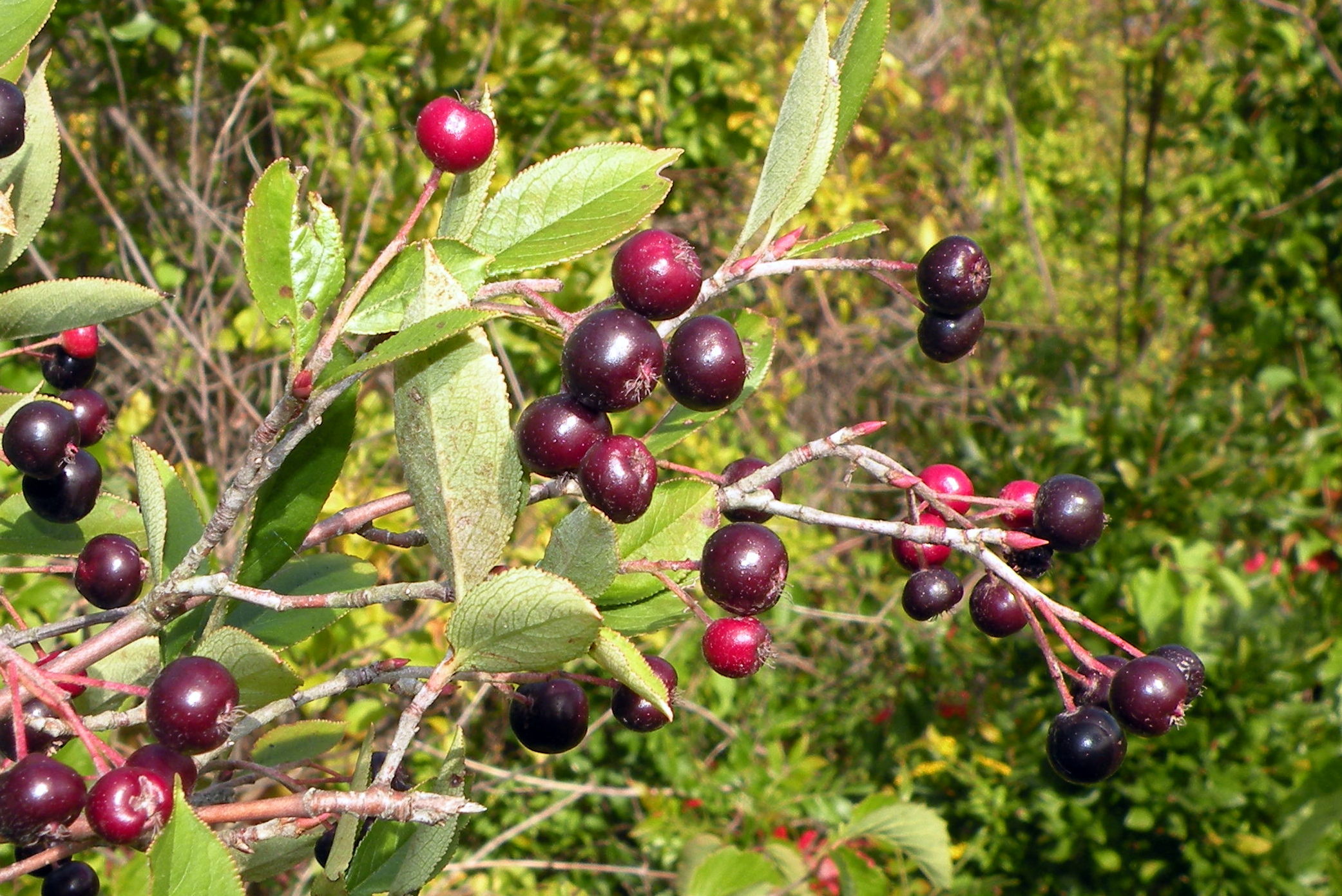
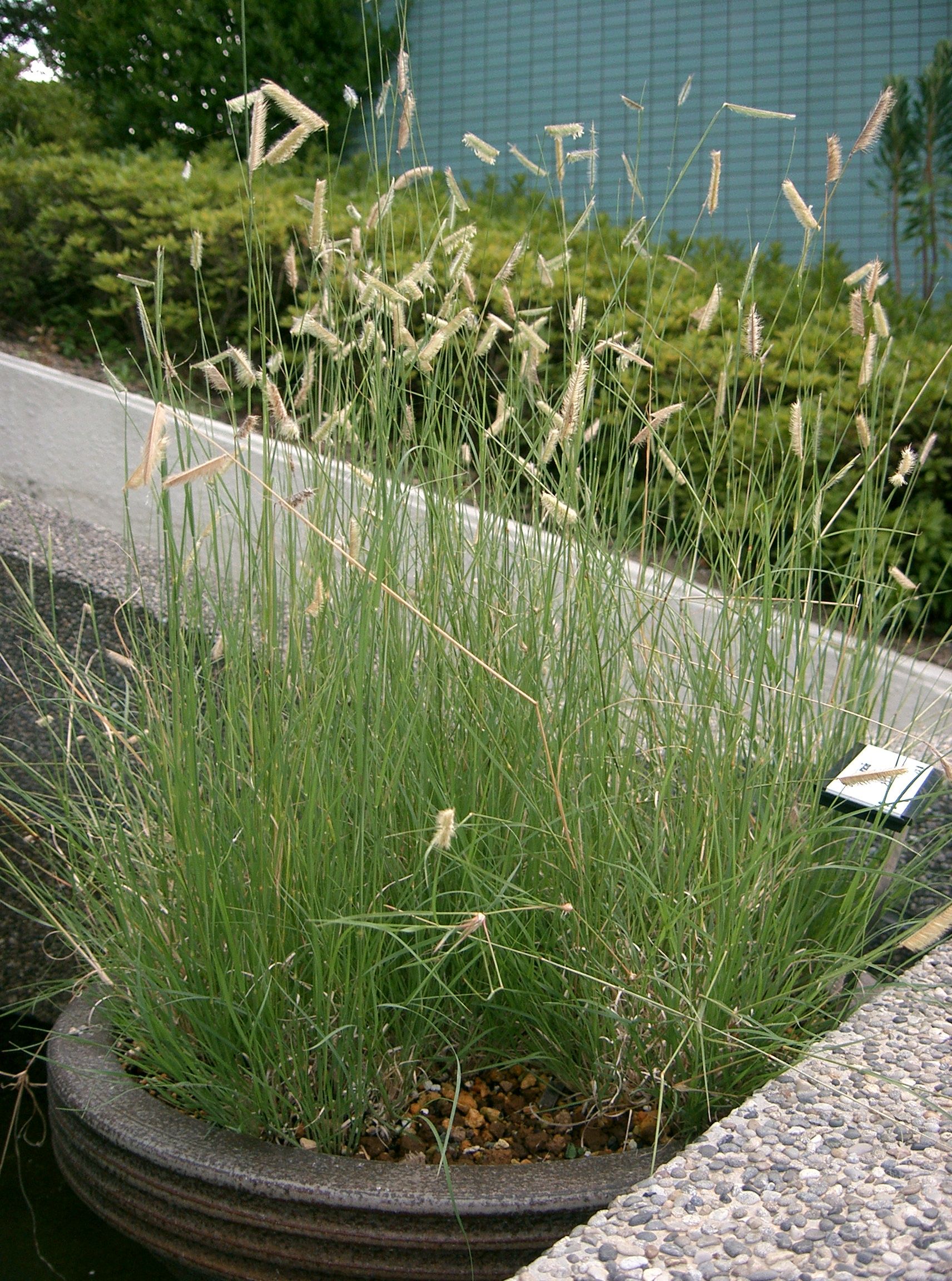
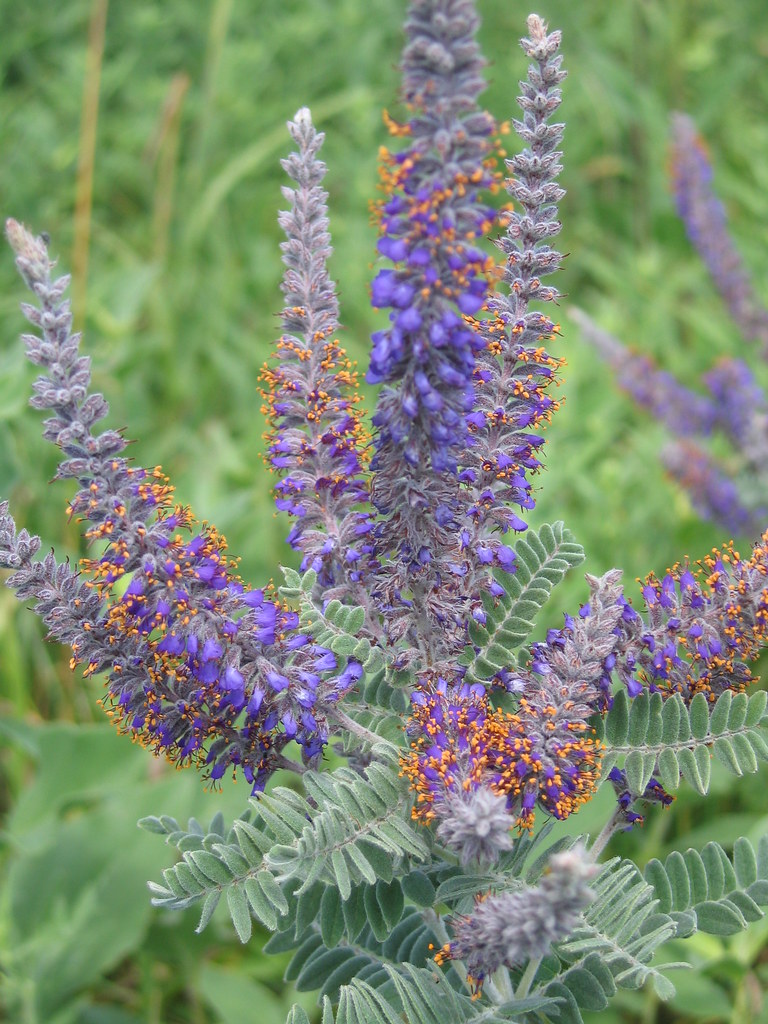
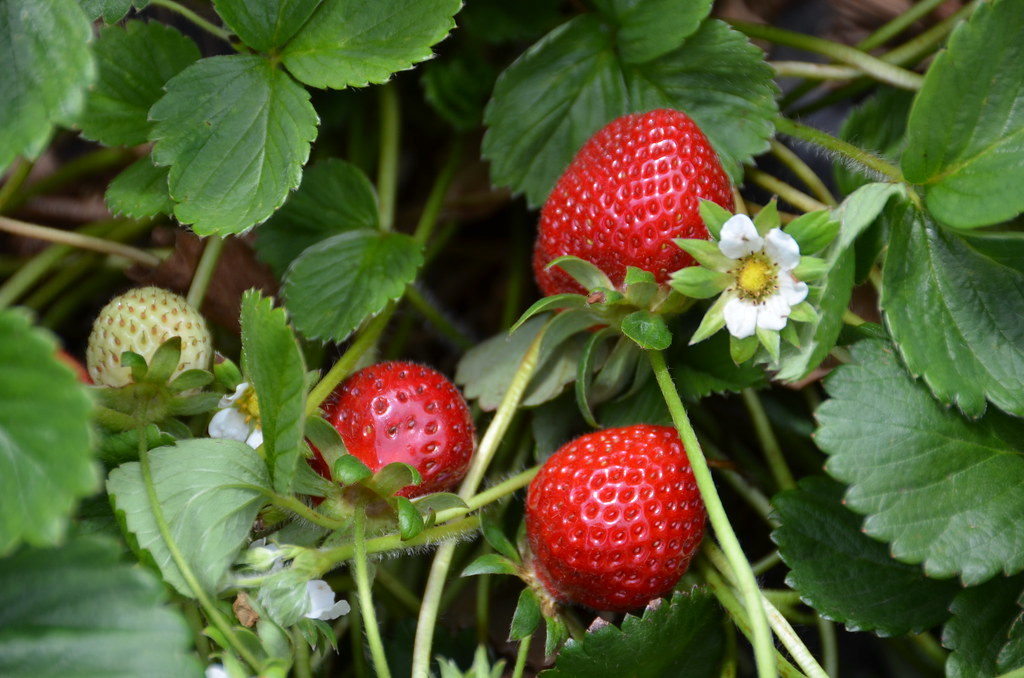
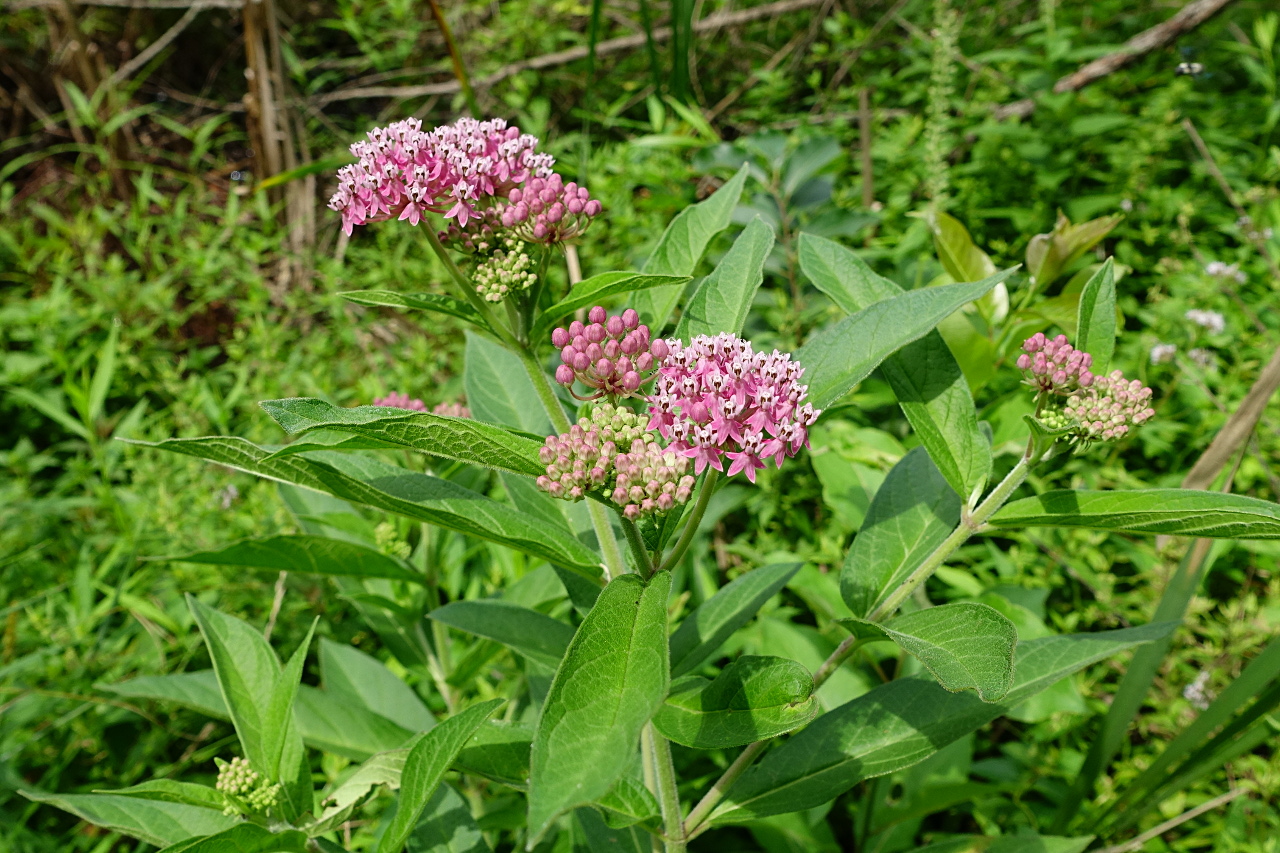
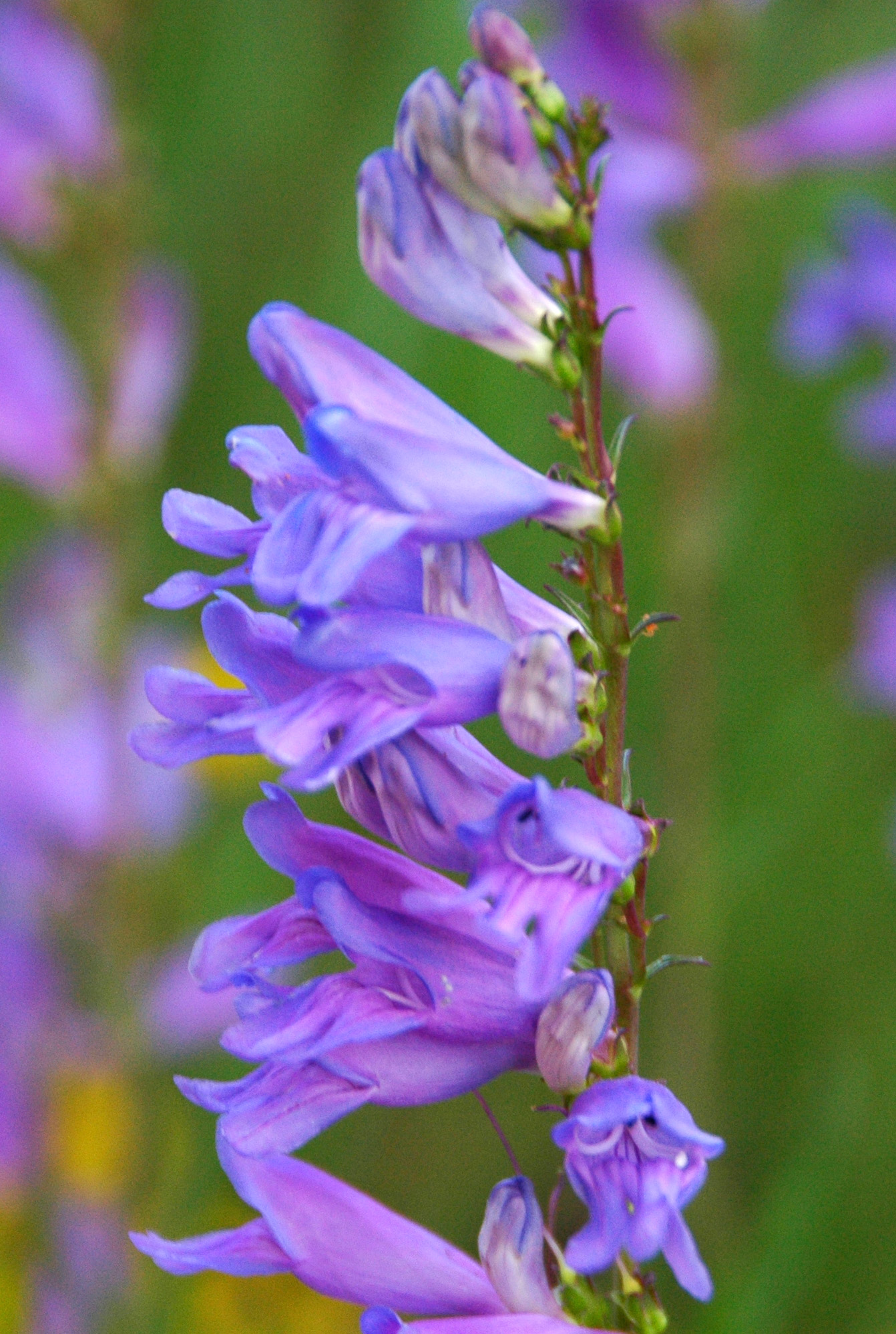
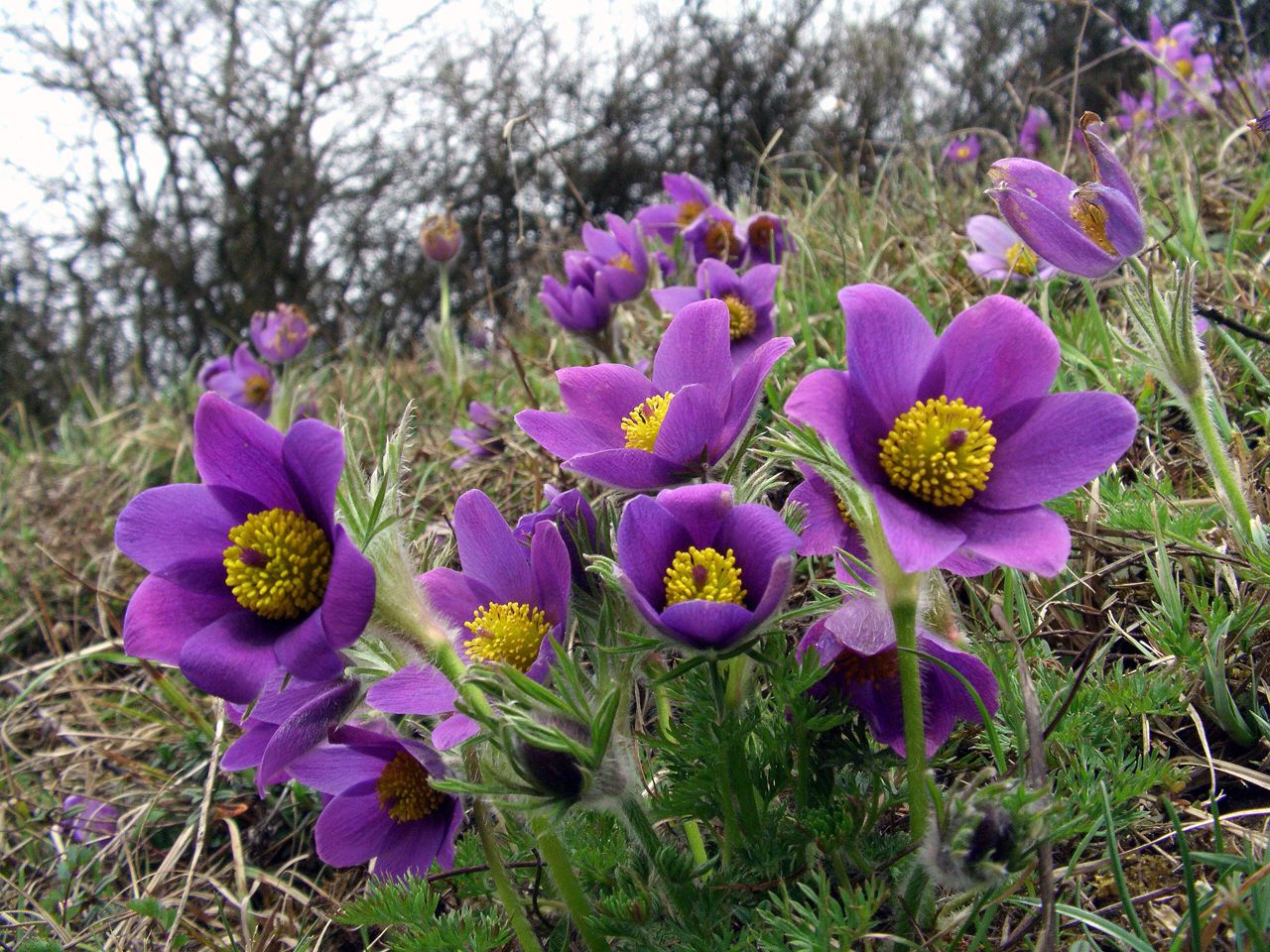
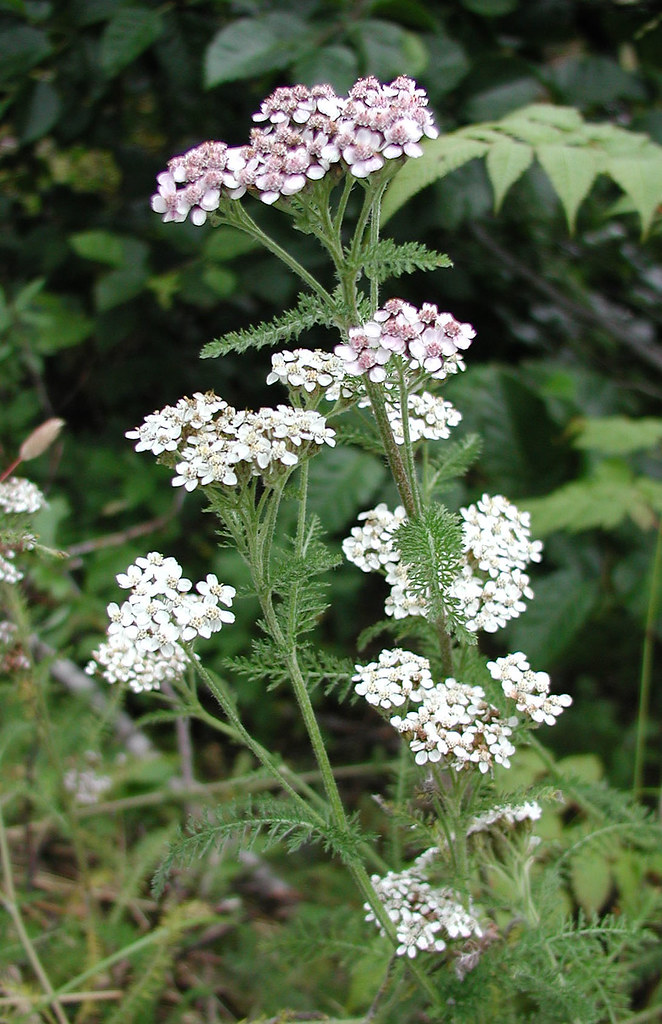
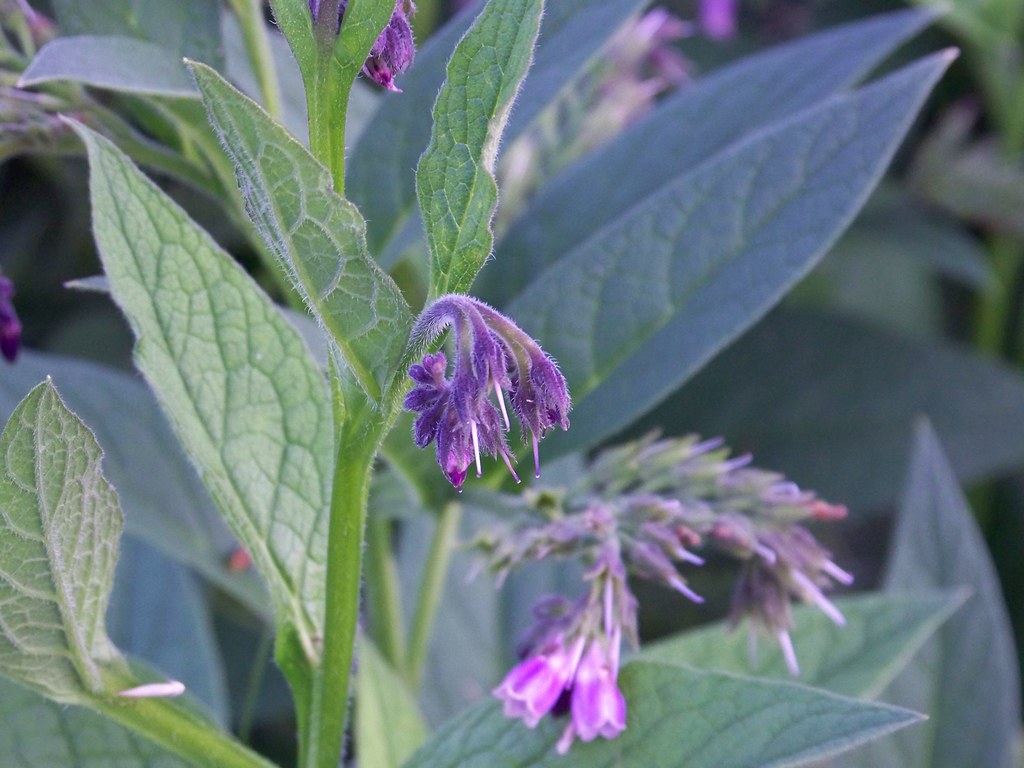
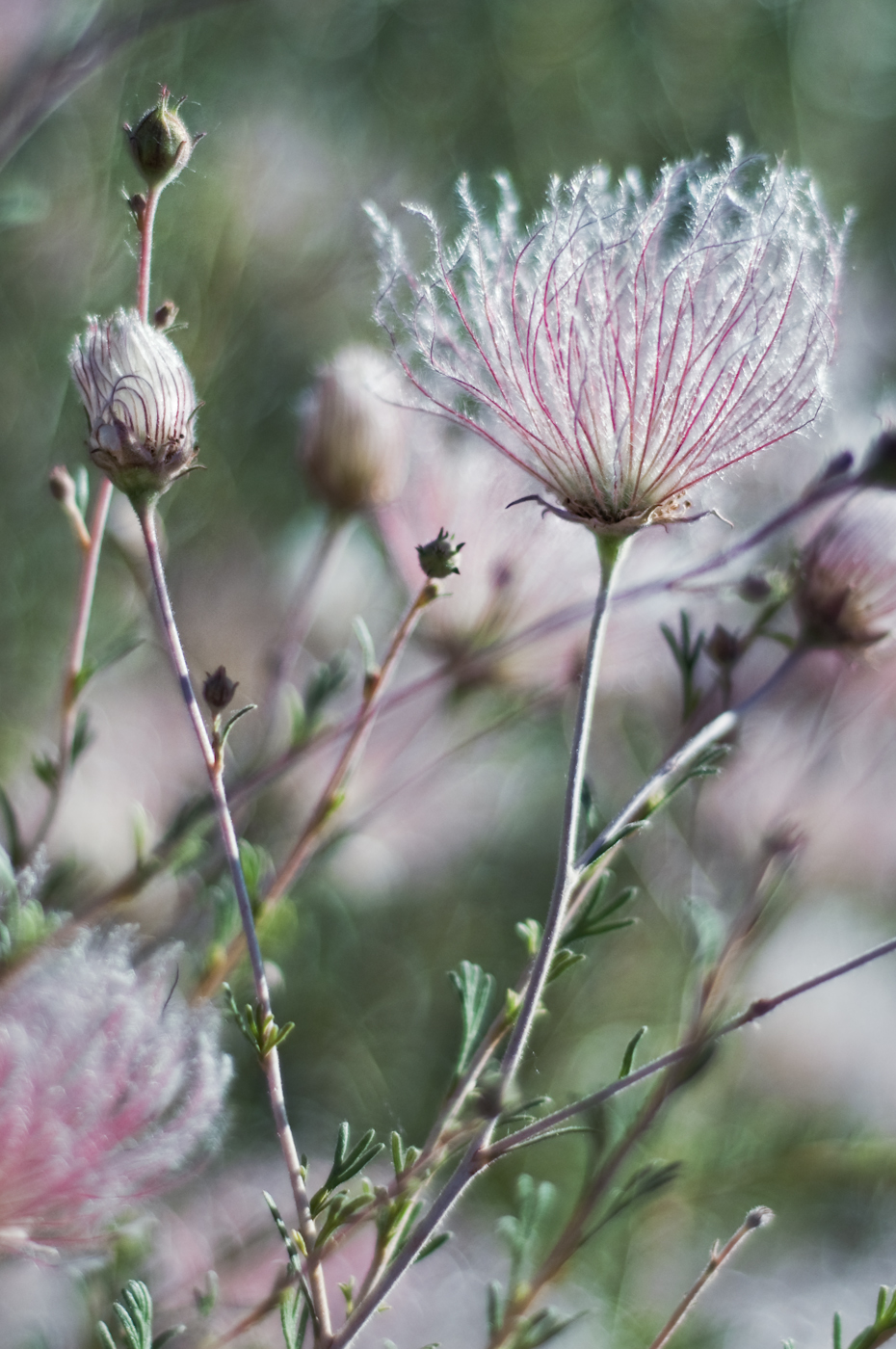
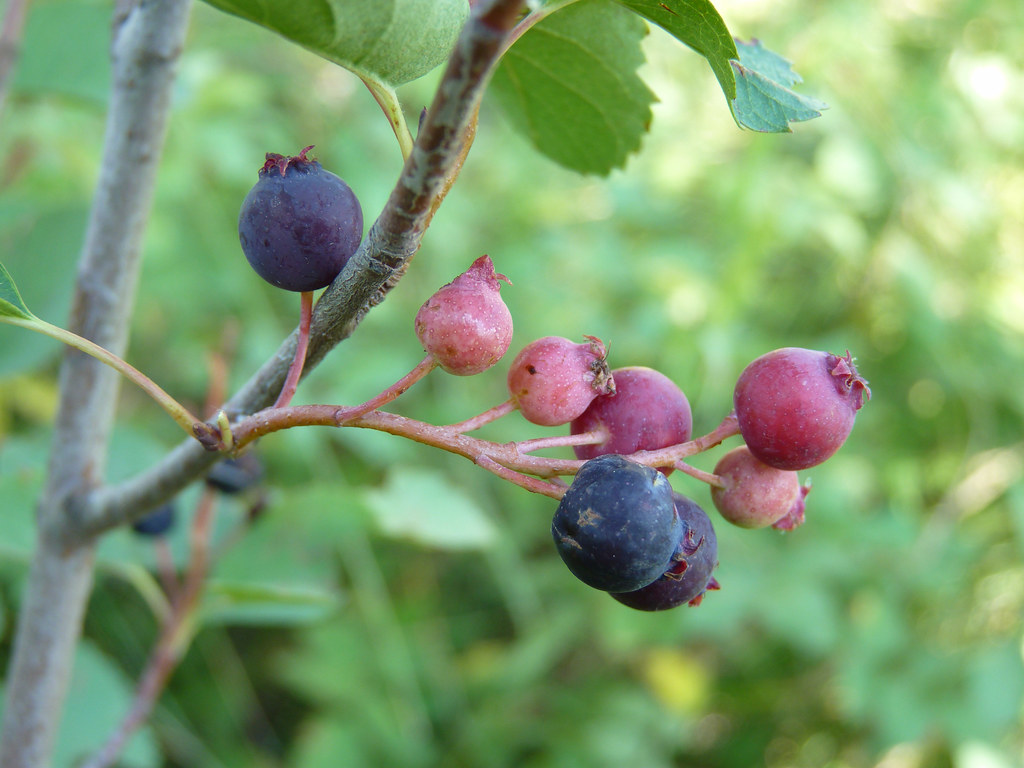
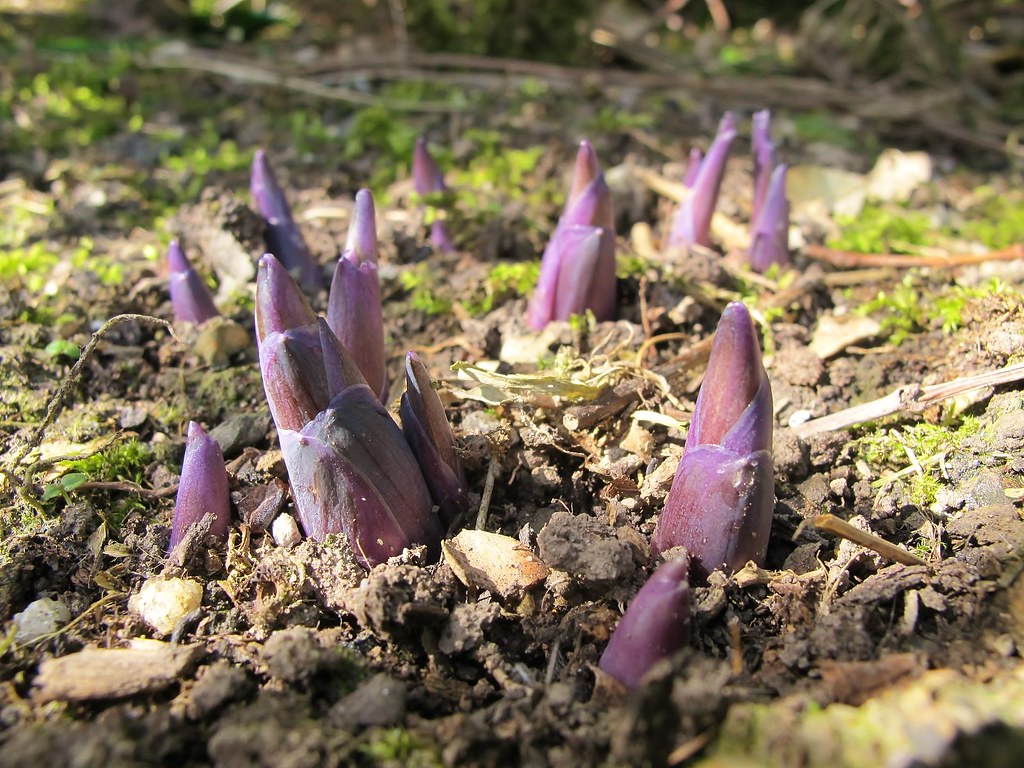
Aronia species like this one provide year-round interest with spring flowers, attractive summer foliage, vivid fall color, and berries that support birds and other wildlife.You should love Blue Gamma Grassbecause it is extremely drought-tolerant, hardy, and well adapted to a wide range of soils. Its distinctive eyelash-shaped seed heads add unique texture and movement while providing habitat and food for wildlife.Dwarf Leadplant is an excellent, low-maintenance choice for gardens due to its drought tolerance, ability to thrive in poor soil, and role as a pollinator magnet. This 2–3 foot native shrub features fragrant purple flowers in June, fixes nitrogen to improve soil health, and requires no pruning, making it ideal for sustainable, water-wise landscapes. Strawberries are one of the most highly productive plants for small spaces, and their ability to spread via self-propagating runners help them return yearly. They act as excellent groundcover to suppress weeds, attract pollinators, and adapt well to containers or vertical spaces. Swamp Milkweed is a well-behaved host plant for Monarch butterfly caterpillars, featuring fragrant, deep pink summer flowers. Unlike common milkweed, it grows in neat clumps, does not aggressively spread by runners, and is deer-resistant. Rocky Mountain Penstemon has extreme drought tolerance, erosion control capabilities via a robust root system, and the ability to thrive in poor, rocky soils. It is a low-maintenance, non-invasive perennial that supports pollinators and provides year-round, evergreen groundcover. Low-growing, clump-forming, early-season blooming Pasque flowerpairs well with many of our native grasses and provides some of the best Spring time nectar sources for native bees.Yarrow is a great plant because it thrives in dry, poor soils with minimal care while producing attractive, long-lasting flowers. It also supports pollinators, improves soil health, and fits perfectly into low-water and native-inspired landscapes.Comfrey is a lush, fountain-shaped plant that will form graceful colonies for the land, and they are perfect for anchoring the shady edges of a pollinator garden.Apache plume is wonderful because it is highly drought-tolerant and thrives in tough, sunny conditions with very little maintenance. Its delicate white flowers followed by feathery pink seed plumes add year-round beauty and texture while supporting native wildlife.Serviceberry trees are vital native, four-season plants that provide early-spring nectar for pollinators, host over 100 butterfly/moth species, and produce nutritious, edible June berries for birds, mammals, and humans. They are highly valued for their resilience, ornamental white flowers, stunning autumn color, and ability to support urban ecology. Hostas are low-maintenance, shade-tolerant, hardy plants. Young hosta shoots, often called “hostons,” are entirely edible, tender, and delicious when harvested in early spring as they first emerge.